
The Vaider Lab undertakes a variety of projects. Some of our major ones are listed below. See some of our review articles for an overview of AI in veterinary medicine, radiomics, and AI in radiation oncology.
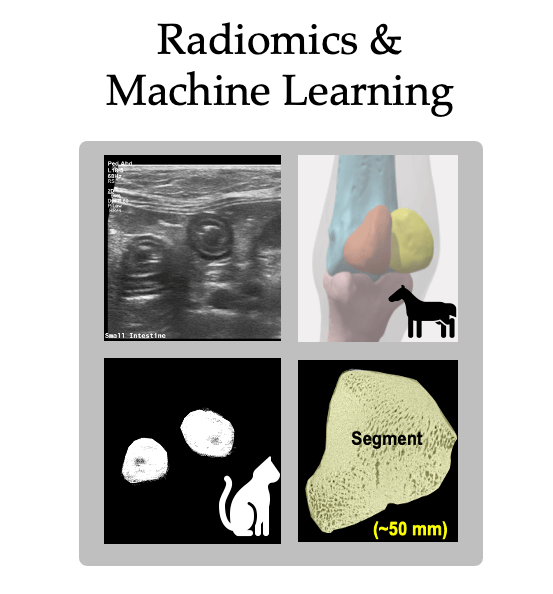
Radiomics is the quantitative evaluation of medical image data. Currently we have been exploring the use of radiomics on ultrasound images for the purpose of predicting whether cats have an inflammation of the small intestines (which can be easily treated), or lymphoma (left image above). Collaborating with veterinary internists, pathologists, and radiologists, have developed machine learning models which integrate ultrasound radiomics data along with blood serum data to predict whether cats should (or should not) be subjected to a biopsy.
Collaborating with equine surgeons and experts, have also been investigating whether Thoroughbred racehorses may be at risk of catastrophic injuries by analyzing CT data of the horse limbs. Some of our work is featured here and here.
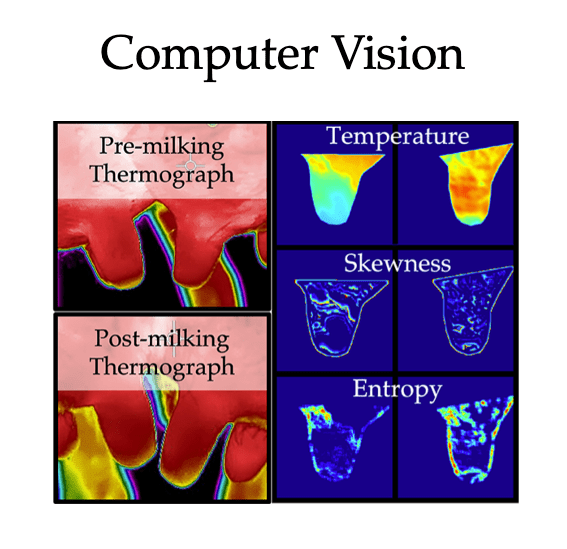
Computer vision approaches are being used in everyday life: from self-driving cars, to identifying people and features on your smartphone camera. Collaborating with veterinary bovine specialists and computer scientists, we are developing automated systems to leverage computer vision to help farmers and veterinarians improve the quality of milk from dairy cows using conventional and infrared imaging. We are also developing automated systems for economizing and optimizing computer vision approaches in the commercial dairy farm setting.
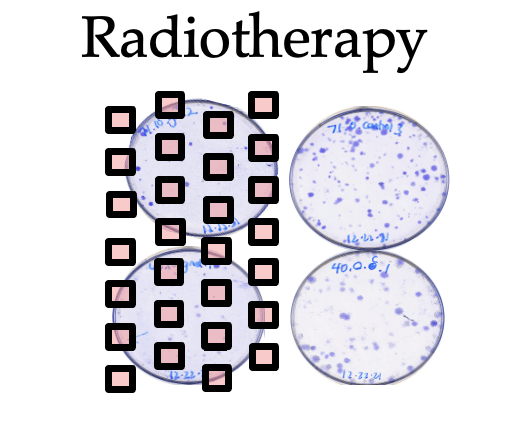
Much of the PI’s background focuses on the application of radiation to treat cancers. Collaborating with physicians and surgeons, our lab is investigating novel ways to deliver radiation to dogs to minimize normal tissue toxicity while controlling or eradicating the tumor. Because animals can be very small, our research focuses on delivering radiation to animals with millimeter -even sub-millimeter- precision.
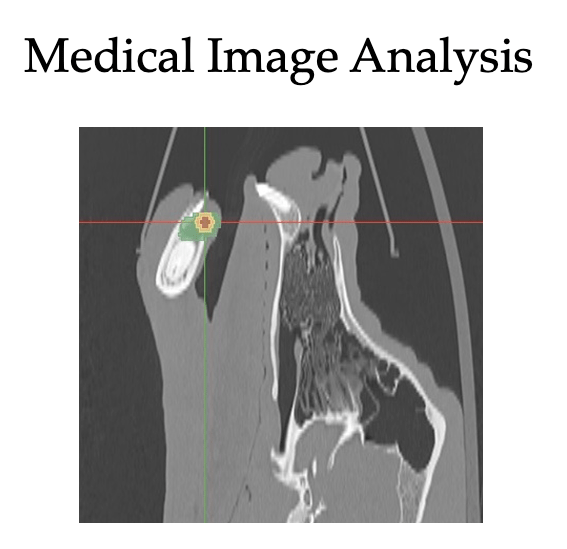
In collaboration with veterinary dentists, radiologists, and other veterinary specialists, we are developing computerized medical image analysis approaches with the aid of deep networks and machine learning.
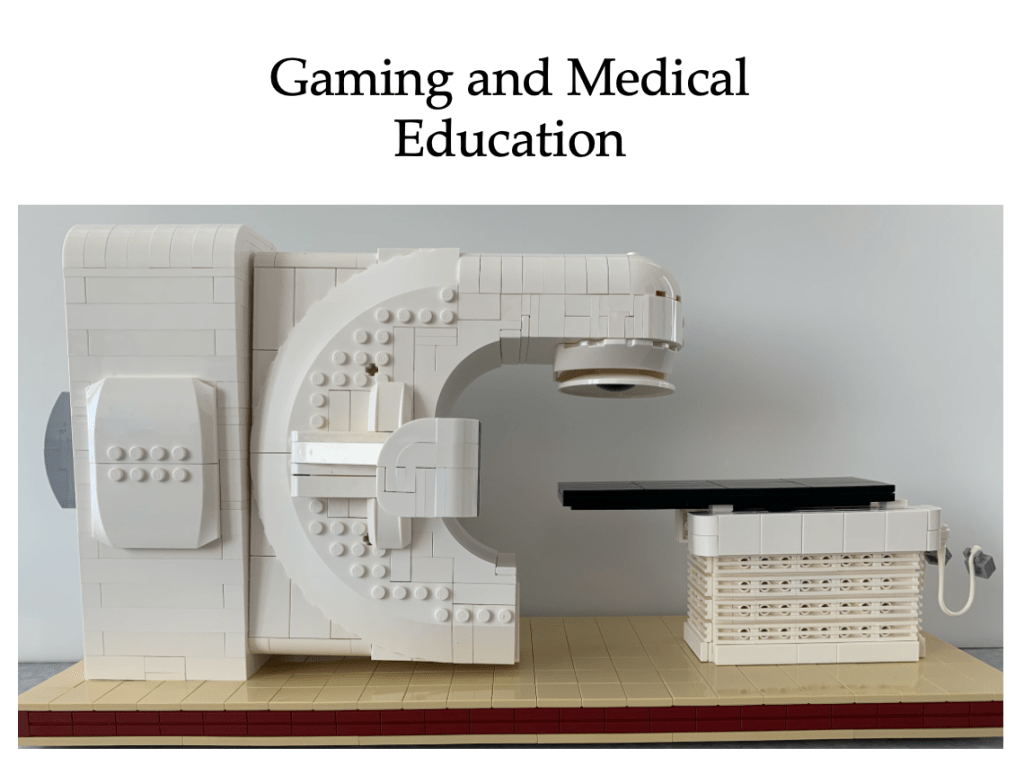
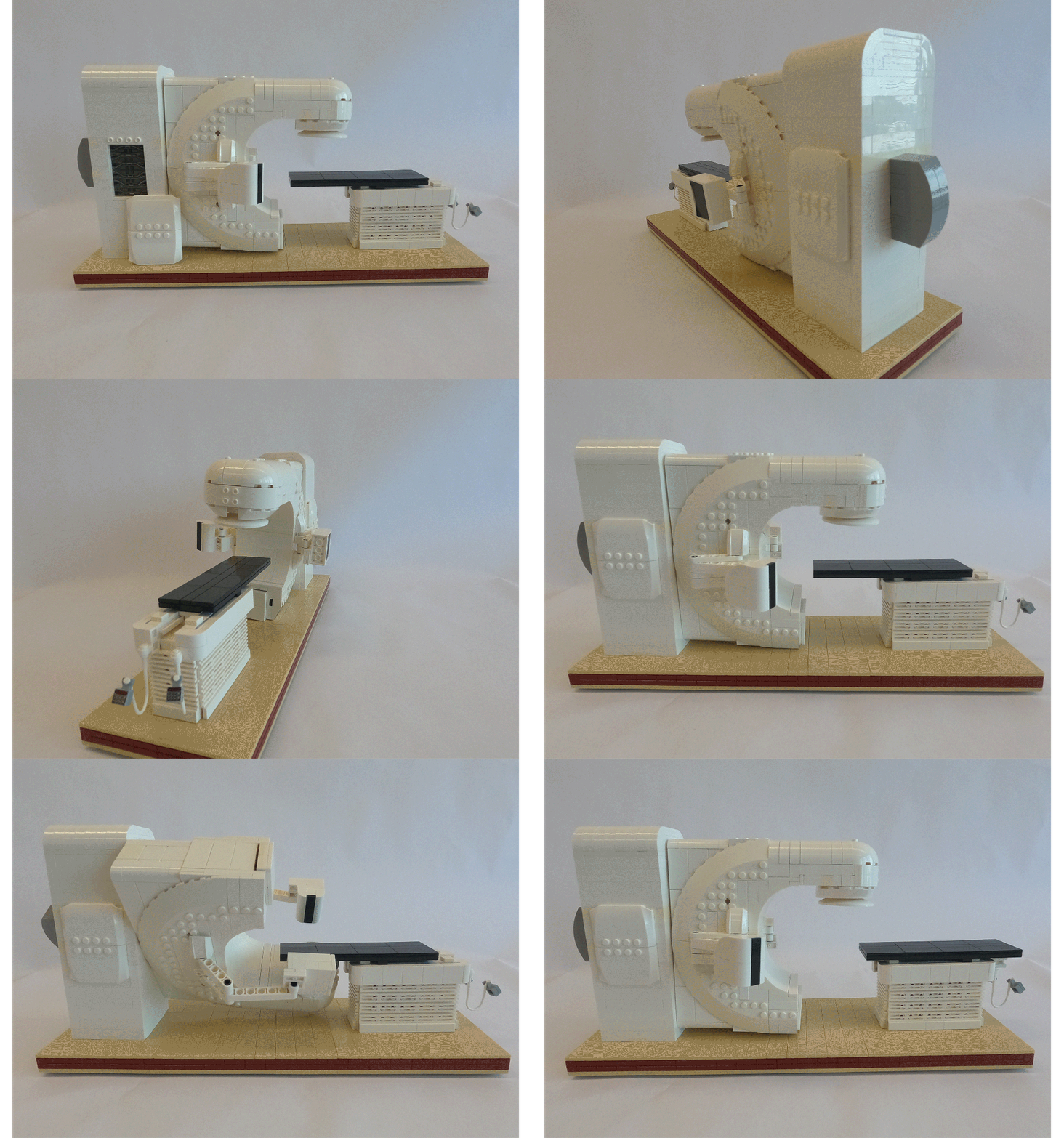
There is clear evidence that students learn more when they are fully engaged in a learning experience. We are passionate about finding ways to make learning complex things fun, like simulating complicated electro-mechanical components of a linear accelerator with Lego(c), or creating games to make the learning experience enjoyable. Check out our archive of Jeopardy games devoted to radiation physics and radiobiology or our resources page.
 Basran / Vaider Lab Website